
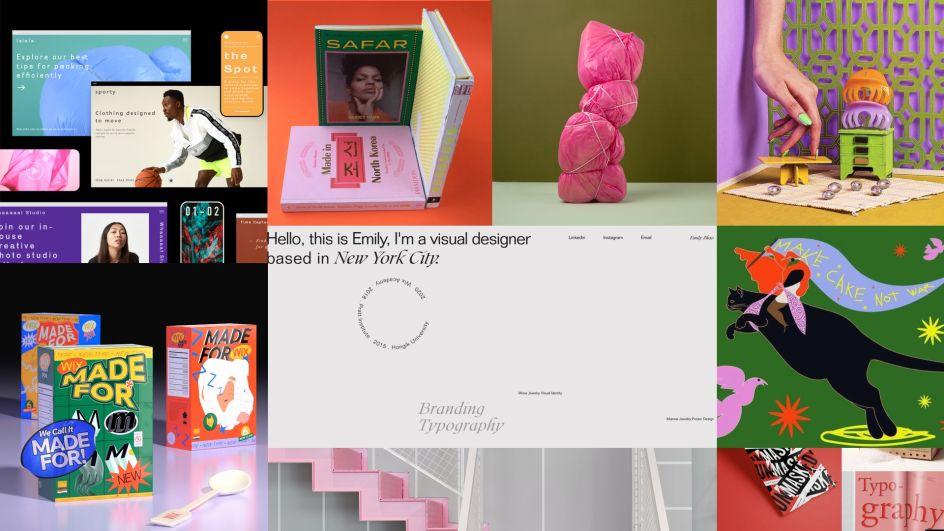

When people see a beautiful logo, poster, or social media graphic, they often focus only on the final result. What they don’t see is the creative journey behind it. Every successful design starts with an idea and goes through several stages before reaching its final form. The creative process helps designers transform simple concepts into powerful visual experiences that communicate messages effectively and leave a lasting impact.
Every Great Design Starts with an Idea


Before opening any design software, professional designers spend time thinking, researching, and generating ideas. Inspiration can come from nature, architecture, technology, fashion, or everyday life. The strongest designs often begin with a simple concept that is developed into something unique and meaningful.
Research and Understanding the Audience

A design should not only look attractive—it should communicate with the right audience. Designers study customer preferences, industry trends, and brand goals before starting a project. Understanding the target audience helps create visuals that connect with people emotionally and effectively.
Sketching the First Concepts


Many designers still begin with pencil and paper. Sketching allows them to explore multiple ideas quickly without worrying about perfection. These rough concepts help identify the strongest direction before moving to digital design tools. Some of the world’s most iconic designs started as simple sketches.
Bringing Ideas to Life Digitally

Once a concept is selected, designers use software such as Photoshop, Illustrator, or other creative tools to bring their ideas to life. Colors, typography, layouts, and visual elements are carefully refined until the design achieves the desired look and feel. This stage often involves experimentation and continuous improvement.
The Importance of Feedback


Great design rarely happens on the first attempt. Feedback from clients, team members, or other designers helps identify areas for improvement. Constructive criticism allows designers to refine their work and ensure that the final design effectively communicates its message.
Refining Every Detail


The difference between a good design and a great one often lies in the details. Designers carefully adjust spacing, alignment, color balance, and typography to create a polished final product. These small improvements may seem minor, but they significantly enhance the overall quality of the design.
Creativity Never Stops Evolving

The design industry is constantly changing. New technologies, design trends, and creative tools provide endless opportunities for innovation. Successful designers remain curious, continue learning, and embrace new ideas while maintaining their unique creative perspective.
Conclusion

Behind every great design is a thoughtful creative process. From brainstorming and research to sketching, designing, and refining, each step plays a vital role in transforming ideas into visual communication. While tools and trends may change over time, the foundation of great design will always be creativity, problem-solving, and a passion for bringing ideas to life.